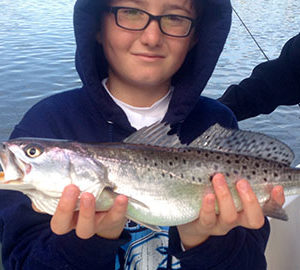
Winter fishing in the Lowcountry is a true angler’s delight!
Those that are ready to face the cold are in for an inshore treat. In winter, when the chill sets in, our waters are filled with black drum, red drum,and sheepshead. One species stands out more than others, it is prime time for speckled sea trout. These beauties are often found in the calmer, warmer waters of estuaries and inshore creeks. With their distinctive spots and feisty behavior, they make for an exciting catch.
Speckled Sea Trout, or winter trout, thrive in South Carolina’s estuaries from late fall to early spring, peaking in January. They gather in deeper, warmer waters during this time, making them easier to target. The average size is around 16 inches and 1.5 pounds, with the state record being 11 pounds, 13 ounces. They typically live to be 8-10 years old. Trout are generally schooling fish. They like to stay in areas of moving water, commonly within current rips or eddies. They gather along banks lined by oysters, as well as creek mouths and points. During the coldest part of the year, trout become lethargic and often hole up in the deepest parts of the creek. Large adults primarily eat other fish including menhaden, spot, mullet, croakers and mud minnows.
Trouts mature into adults after 1 year.
At this age, they will begin to spawn from April to September. Spawning usually occurs at night near piers, pilings and deeper water holes. Males will attract females to the area with sounds, by vibrating their swim bladders. Their larvae then move to their shallow-water tidal creek nurseries. As they get larger, they move into larger and deeper creeks.
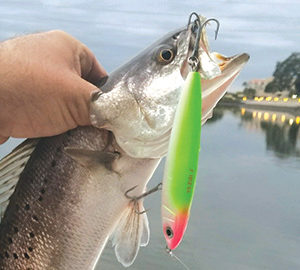
To catch the biggest speckled sea trout you want to go out around the full moon. Early mornings, late afternoons, and moving tides are optimal fishing times. Anglers use light to medium action spinning gear, spooled with 20 lb. braided line and 15-20 lb. fluorocarbon leaders. Water clarity will help you determine the size and length of the leader, cleaner water calls for lighter leaders. Live shrimp are one of the trout’s favorite meals, but they can also be fooled by artificial baits. Winter water clarity makes the trout fishing season ideal for fly fishing.
As spotted sea trout are a subtropical species, they can suffer from “winter kills” when water temperatures drop below 46°F.
These trout are able to gradually adjust to decreasing temperatures by moving to deeper areas. Excessive cold can lead to mass mortalities, and larvae are particularly susceptible to low salinities from freshwater influx. These fish tend to stay in the estuaries where they were spawned, this means that their populations can suffer from an increasing human fishing pressures. Conservation concerns include habitat degradation, compromised water quality, and potential overharvest in recreational fisheries. Protecting their habitat and monitoring environmental changes are vital for sustaining their populations.
Article by Master Naturalist, Kathleen McMenamin, Assistant Director of Outdoor Recreation at the Island Recreation Center.